Video: Ultimate is building community for students outside traditional sports
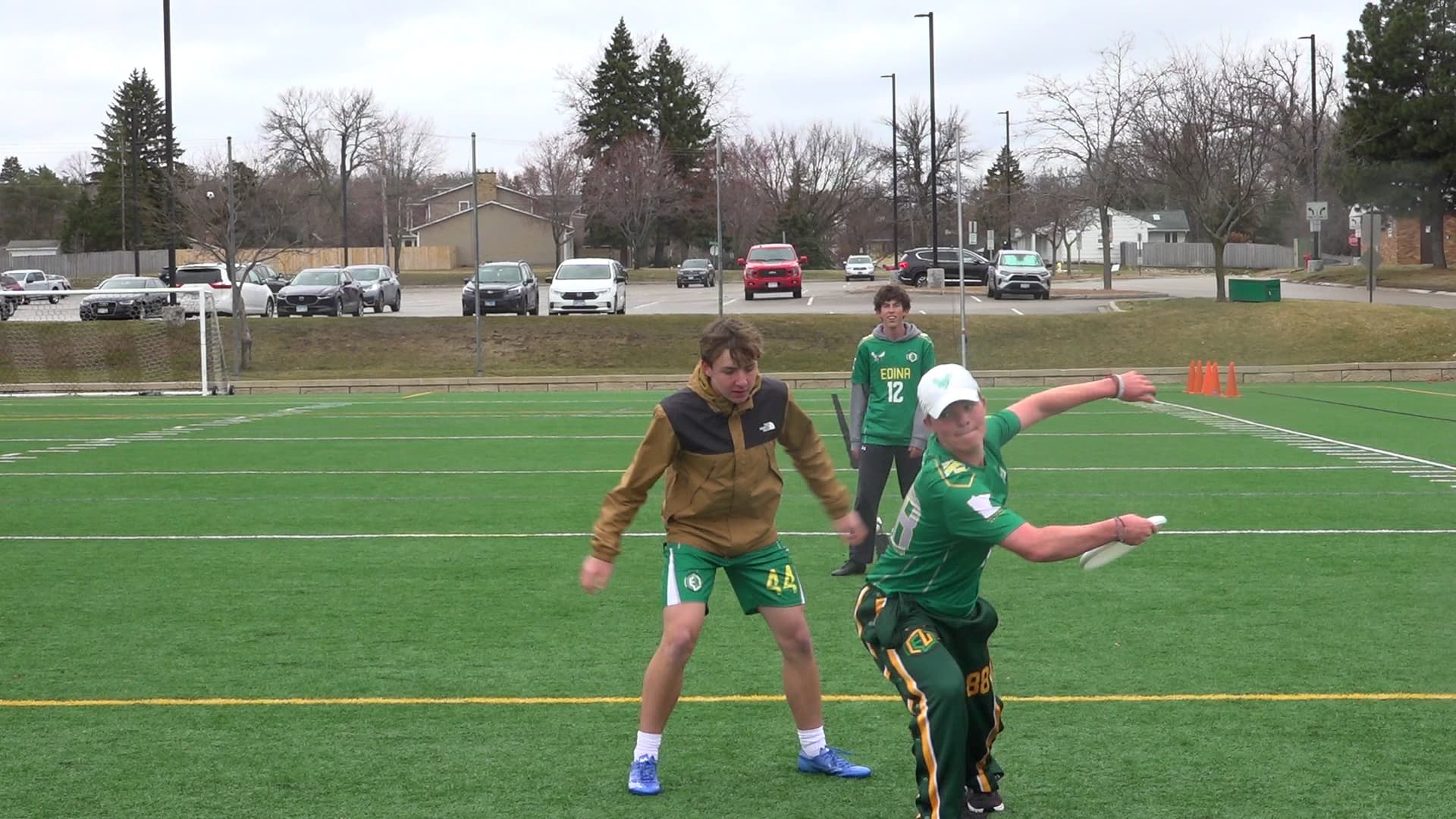
Strib VarsityMinnesota has the second-most high school frisbee teams in the country, trailing only Washington. MNU supports 82 high school teams, including six that are nationally ranked.
By Grace Praxmarer
For the Minnesota Star Tribune
Students across Minnesota, from middle school to college, are finding community on the field — but in a new way.
Ultimate Frisbee, a noncontact, self-officiated team sport played with a flying disc, is gaining traction across Minnesota and ranks among one of the state’s fastest-growing youth sports.
For many of Minnesota’s youth, ultimate offered something different. It’s a more inclusive environment — and inexpensive activity — that welcomed kids who didn’t fit the typical mold, including those involved in nontraditional activities or who identify with the queer community.
“I think it gives kids who haven’t found their sport niche yet a space to have really incredible social connections,” said Leo Sovell-Fernandez, a program manager at Minnesota Ultimate, or MNU, a nonprofit leading most of the state’s youth programming.
Minnesota has the second-most high school frisbee teams in the country, trailing only Washington. There are 82 high school teams, including some that are nationally ranked, like Minneapolis Washburn and Edina. In the last five years, the number of middle school programs has nearly doubled — from 28 in 2021 to 51 today.
“In other states, like Kansas or Midwest states, they’re super jealous of Minnesota or Seattle, just because of the community we have,” said Kumari Okumura, a junior who plays on the Washburn High Ultimate team.
High school participation in Minnesota has held steady over the past five years at around 2,300 students.
MNU is at the center of that growth.
“The trope is that Frisbee is for weirdos,” Sovell-Fernandez said. “So accepting people who maybe their primary activity is something else, like band or debate — a non-athletic activity — allows those people to be athletic and then have community in that way.”
While expanding access to ultimate remains the organization’s primary goal, they’ve adopted a more recent, sharper focus on growing middle school programs.
“That’s really the work we’re doing here, giving kids who might otherwise struggle to have social spaces … a social space," Sovell-Fernandez said.
Related Coverage
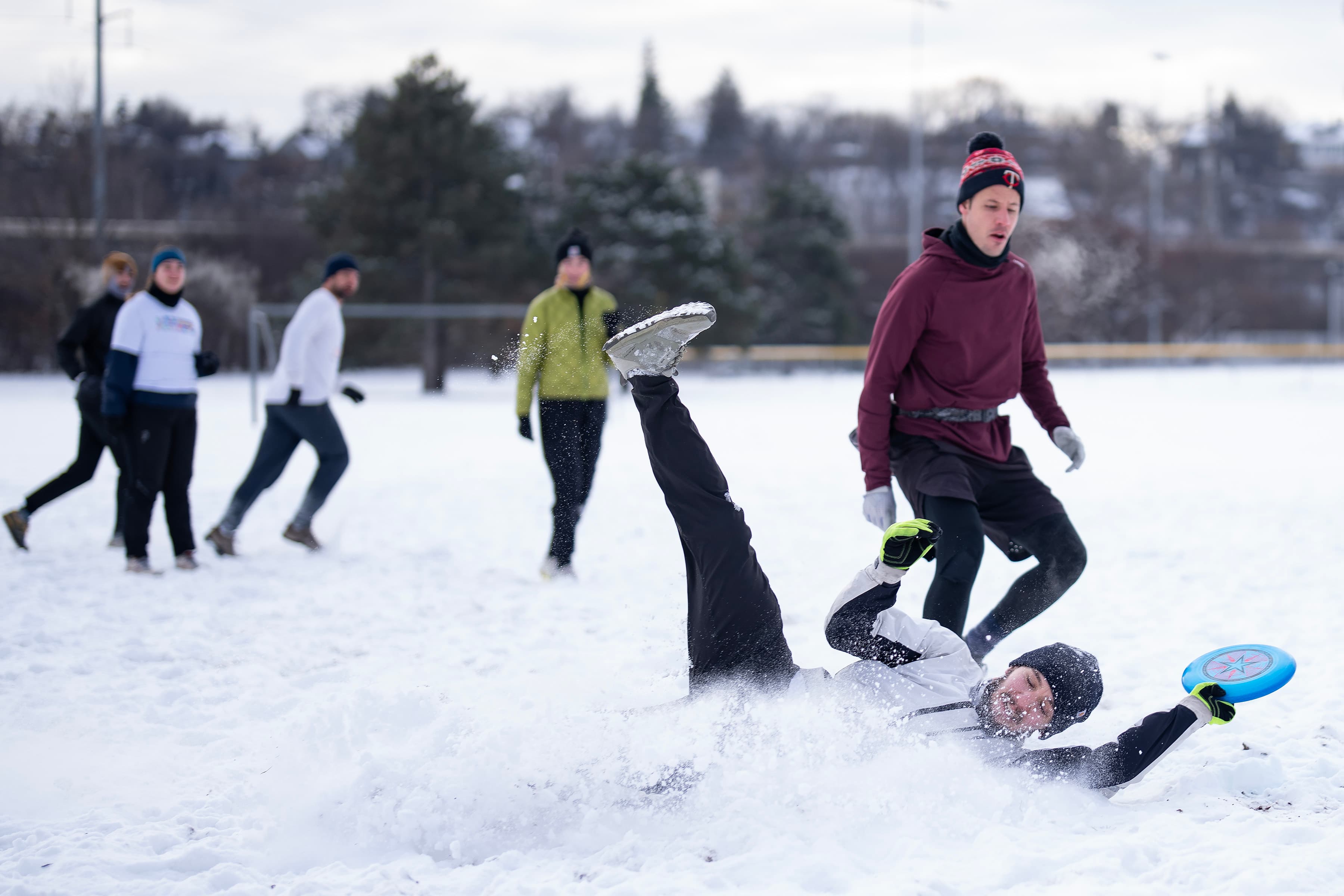
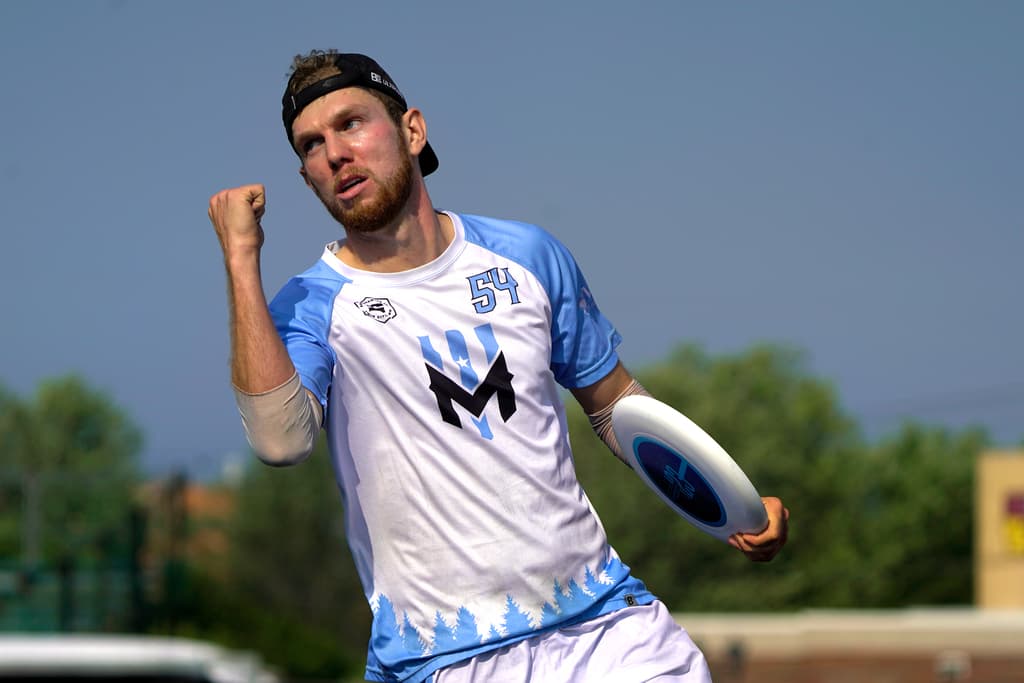
Sovell-Fernandez coaches the boys varsity team at Great River School in St. Paul and plays with the Minnesota Wind Chill, the state’s only professional Ultimate team and an MNU affiliate. For him, finding ultimate as an eighth grader gave him a space away from the pressures and culture of traditional youth sports.
Sovell-Fernandez spent much of middle school playing video games, and while he enjoyed being active, he didn’t connect with the culture of his seventh-grade travel baseball team.
Ultimate combines elements of football and soccer. Players advance the disc by passing, and score by catching it in the end zone.
Unlike other niche sports such as soccer or hockey, which can be limited by cost, roster cuts or access to facilities, Minnesota Ultimate is structured to be more accessible — both financially and socially.
The no-cut sport only requires a membership.
“It’s a pretty inexpensive sport other than probably registration fees,” Cesario Velasco, another MNU program manager, said. “And travel, a lot of it is just local tournament travel, so it can be as cheap or as expensive as you want.”
Parker Knudson, a member of the University of Minnesota’s men’s ultimate club team — formerly known as the Grey Ducks — is the only Gophers player who played in middle school. His teammates were all introduced to the sport later, in high school.
“No one really knew when we first started [in high school] what it really was,” Knudson said. “Since then, there’s just been so many new people who have been brought in.”
When Knudson moved from Virginia in third grade, he had never heard of ultimate. The only person he knew who played was the father of his first friend in Minnesota, who then introduced them to the sport.
MNU has nurtured players from their first throws to the international stage. A few of its up-and-coming players, including Okumura, will represent Team USA in the U20 World Junior Ultimate Championships in Spain this summer.
“It’s really cool to play a sport that you can actually get really far in. Even though people might not recognize it as a sport,” said Haley Chau, who plays for Hopkins.
But beyond personal success and recognition, what keeps players coming back is something bigger. When asked what makes ultimate in Minnesota so special, the answer was the same every time: community.
About the Author
Grace Praxmarer
Comments