Minnesota high school athletes’ lives upended by ICE surge
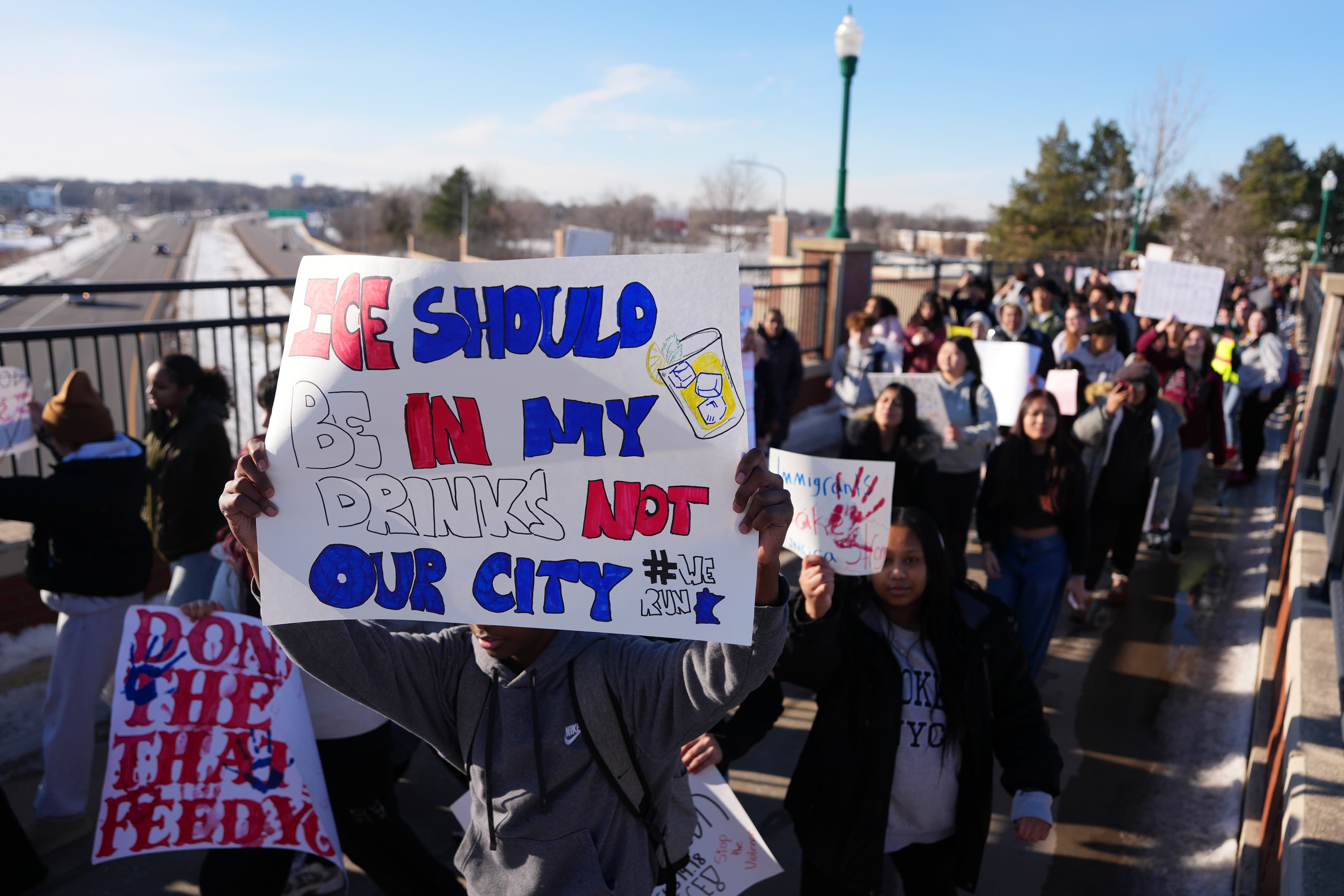
Students experiences have varied: They have missed their routines, had to leave their teams and tried to use sports as healthy distractions during the immigration enforcement surge in Minnesota.
The Minnesota Star Tribune
The varsity baseball coach at a Twin Cities high school received a text the night of Thursday, Jan. 8, that one of his favorite players, an immigrant from Venezuela, was leaving Minnesota with a cousin a few hours later.
His father was detained on Jan. 5 and scheduled for deportation to Venezuela. Another relative was detained three days later.
The athlete is worried that he could be next, as he is also believed to be on the U.S. Immigration and Customs Enforcement (ICE) deportation list.
The Minnesota Star Tribune agreed not to identify the student, family or school so those involved could speak openly about their experiences without potential repercussions.
In the evening of Jan. 8, fading fast for the student were a stable living situation, his school routine and his hopes of playing one more baseball season before graduating.
“We’ve loved coaching him,” his baseball coach told the Star Tribune. “I don’t know if I’ve ever coached a kid before that just absolutely loves the game like he does.”
The student and his cousin left Minnesota at 1 a.m.
These are trying times for many immigrant families in Minnesota, and sports are offering a distraction — in some ways, a support system — for athletes experiencing fear and stress from ICE’s latest enforcement actions.
When sports are canceled, as they were in Minneapolis and elsewhere this past week, students miss out on healthy distractions and stress-releases, said Dan Johnson, executive director of the Minnesota Interscholastic Activities Administrators Association.
“When a person of any age is invested in a project — as an artist, an athlete, a writer, etc. — their hands, their mind and their heart are occupied and invested, and this frees them from the pressures of daily life,” Johnson said.
“It doesn’t make the world go away, and it doesn’t change the behavior of others,” he added. “But it does allow them to push the hold button while they commit to their activity.”
Related Coverage
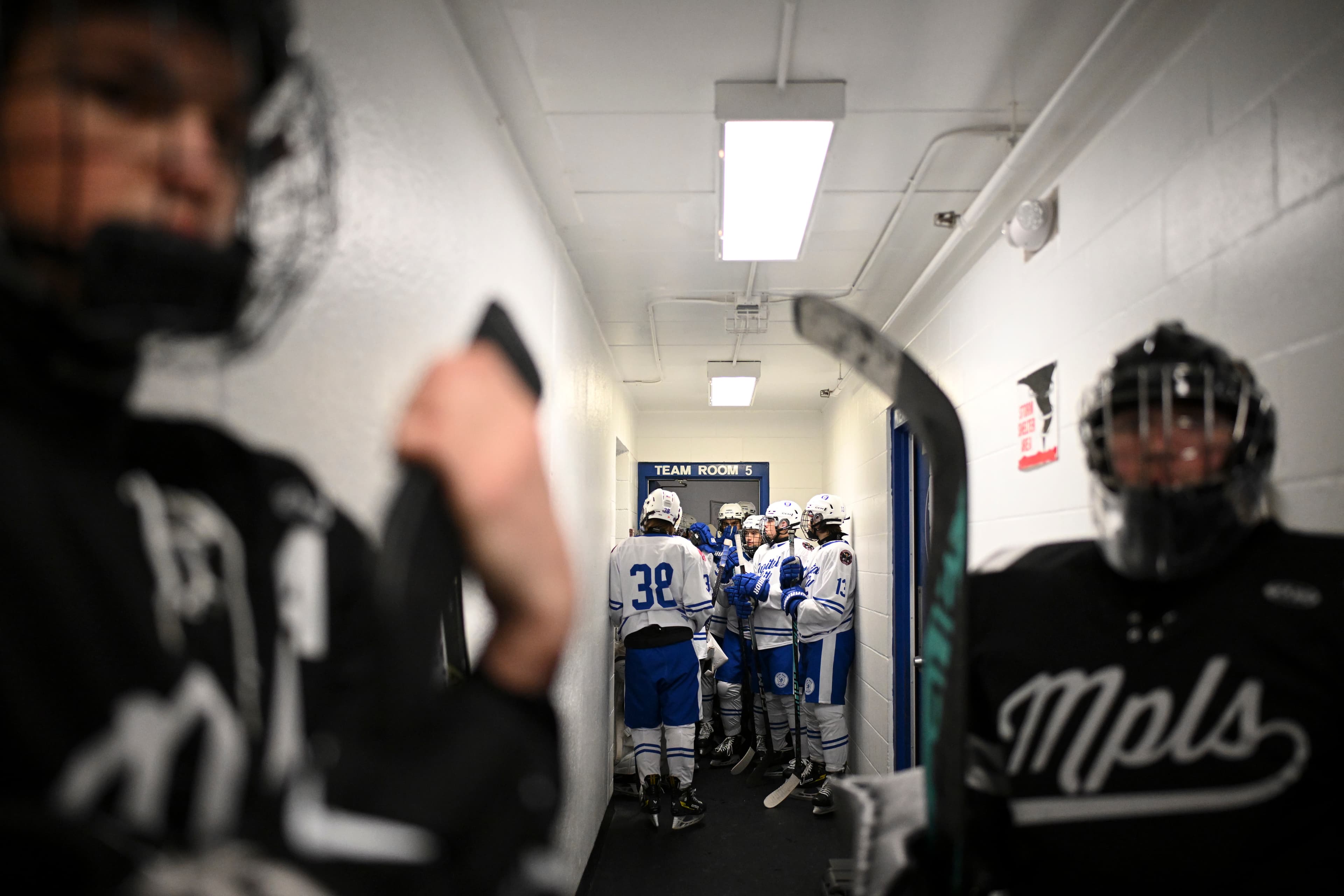
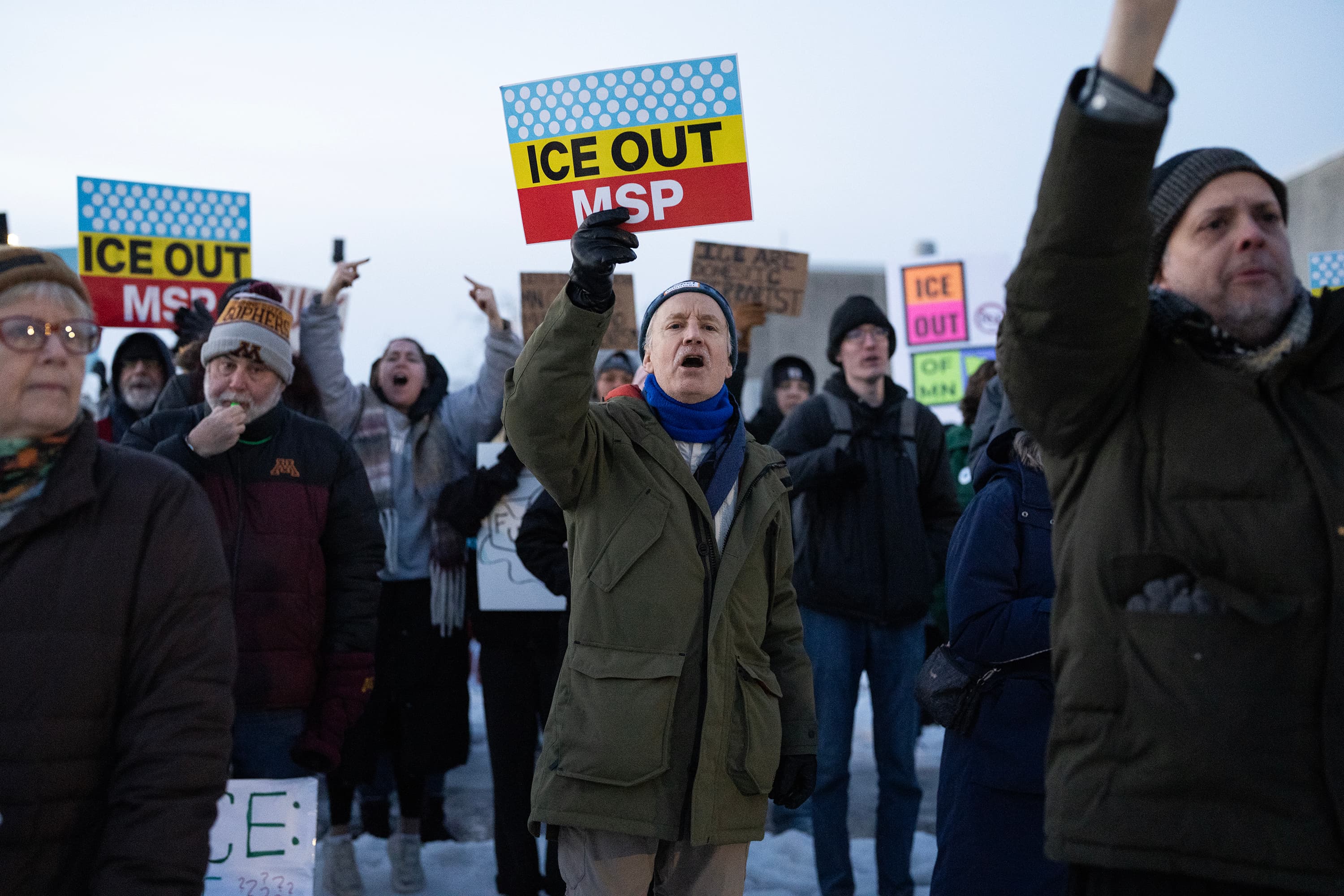
Included in the Minneapolis cancellations was the Roosevelt wrestling team’s “Senior Night” celebration. Each postponed event creates another void for students.
“There’s absolutely a general sense of nervousness and concern from the students, most of whom … were born here,” said Bilal Muhammad, activities director at Higher Ground Academy in St. Paul.
“They’re a little confused as to why this is happening,” he said. “They didn’t grow up with Jim Crow laws and institutionalized racism, so they don’t really understand what’s going on. We are constantly talking with them.”
Jane Graupman, executive director of the International Institute of Minnesota, an immigrant and refugee resettlement organization based in St. Paul, is worried about students being separated from their routines: “Being a kid and being in school, it’s your anchor,” she said. “… It should be a place where kids feel safe.
“It’s where their friends are,” she added, “it’s where their community is, it’s where they’re growing and learning to be productive citizens. And now we’re interrupting that in another way.”
What’s playing out now in the Twin Cities was on the minds of student-athletes last fall in Willmar, a diverse west-central Minnesota town of 21,000, who spoke with the Star Tribune for a story.
“Sports lets us push stuff away and focus on us,” goalkeeper Luis Gomez said then. “Nobody has to talk about it because everyone already knows what everyone else is going through. We’re brothers. We’re meant to be on this team. Everyone is so connected.”
It’s unknown how much support the Twin Cities high school baseball player will receive after moving his life out of state.
“It’s just sad,” his coach said. “And I feel bad for all these families that are being affected by this, the ones that don’t deserve it.”
As a Venezuelan, the student felt like fleeing the state was the best option. The Trump administration began rescinding Temporary Protected Status for Venezuelans last year, putting many families on edge. The U.S. capture of Venezuelan President Nicolás Maduro last week only added to that feeling.
Before leaving the state, the athlete met his coach, who encouraged the student to finish his degree online if he could. The coach gave him a jersey and told him to call if he ever needs anything. It was late, and the student needed to leave.
“A few tears for sure,” the coach said.
. . .
Olivia Hicks, Reid Forgrave, Jim Paulsen and Nick Williams of the Minnesota Star Tribune contributed to this report.
About the Author
Joe Christensen
Strib Varsity Enterprise Reporter
Joe Christensen is our Strib Varsity Enterprise Reporter and moved into this position after several years as an editor. Joe graduated from the University of Minnesota and spent 15 years covering Major League Baseball, including stops at the Riverside Press-Enterprise and Baltimore Sun. He joined the Minnesota Star Tribune in 2005.
See More