Throwing breaking balls: Here are the baseball pitchers who do it best
Studies show the harder the thrower, the more break pitchers get.

By Jim Paulsen
The Minnesota Star Tribune
Connor Finn remembers first learning how to throw a breaking ball.
He was in ninth grade and he and some baseball buddies were huddled around the father of one of the friends. He showed them how to throw a cutter, or cut fastball.
“I still use that same grip when I throw my fastball,” said Finn, now a senior lefthander at Mahtomedi with a four-seamer that’s been clocked as high as 95.6 mph. “I don’t use the cutter anymore, but I still remember when I first threw it. Now I mostly use two different sliders.”
Finn is not alone in his reliance on more sophisticated pitches.
There’s also Andrew Gette of Mounds View, a righthander and the 2025 Strib Varsity All-Minnesota Baseball Player of the Year. At 6-5, 215 pounds, Gette’s slider is “so effective because it mirrors his 93 miles per hour fastball,” said Parker Hageman of Prep Baseball Minnesota, an amateur baseball scouting and ranking service. Hageman was a former pitching coach at Chanhassen among the many baseball caps he’s worn.
“His fastball moves 14 inches into righthanded batters and his slider moves 14 inches away from them. Hitters will have to cover 28 inches of east [to] west real estate,” Hageman added.
Gette is signed to play at the University of Miami.
Chaska’s Parker Killian, who has signed with the Gophers, has been dealing with a forearm injury, but the righthanded pitcher’s throws come in hard and fast at 86.2 mph, yet still have deceptive break.
“It’s important to stay consistent with my arm slot,” Killian said, referring to his arm angle and release point when throwing pitches. Killian has yet to throw an inning for the Hawks this season. He’s been sidelined since October after suffering a spiral fracture of the humerus in his throwing arm. He expects to be fully recovered and return to the mound in early May.
Prior to his injury, Killian — who is not sure why it happened — had his velocity measured at 92.9 mph and the spin rate on his slider right around 2,700 revolutions per minute, or rpm. The higher the spin rate, the more the break.
Said Hageman of Killian: “He throws it harder … and has a shorter, cutter-ish break."
Related Coverage
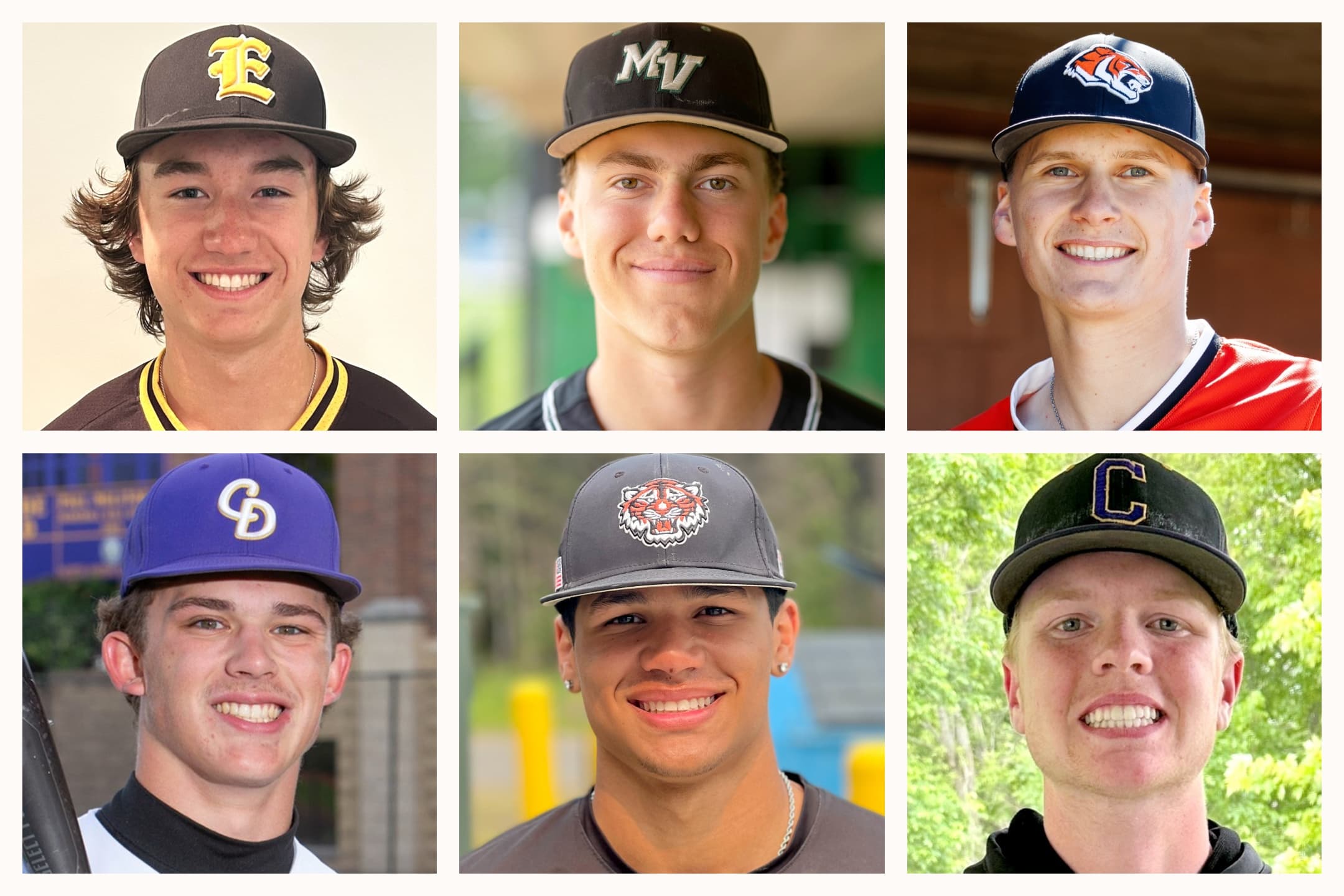
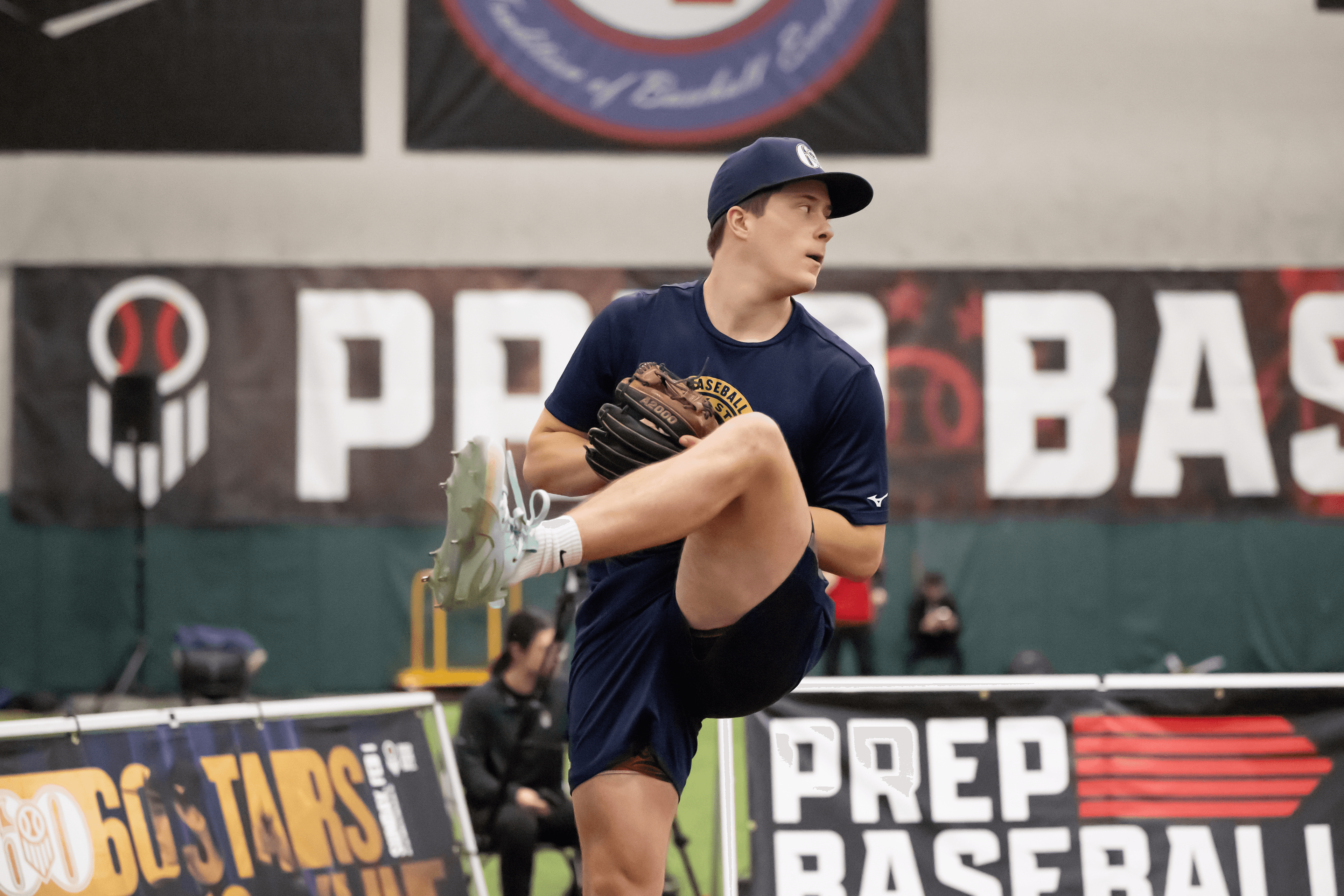
Hudson Ohm, a senior pitcher at Zumbrota-Mazeppa who also signed with the Gophers, throws hard with a velocity of 94 mph and uses his strong frame (6-2, 200 pounds) to complement his breaking pitches.
The average slider in Major League Baseball this season is 85.3 mph with 7.9 inches of horizontal movement. By comparison, Ohm’s slider in February clocked in at 82.2 mph with 8.1 inches of horizontal movement, Hageman said.
Finn still leans on his fastball — a high fastball is his out pitch in most high school situations — but gone are the days when the pitcher could rely simply on throwing the ball past hitters. The best pitchers need a little more in their repertoire.
We’re not talking basic curveballs. That basic 12-to-6 breaking, over-the-top arm angle pitch is still a viable option, but breaking balls have become more refined. With so much baseball instruction available, many pitchers seek out a more nuanced approach.
“A big part of breaking pitches,” Hageman said, “is directional break. Some might break down just a couple of inches but more horizontally. The biggest thing is to find a consistent release point.”
There are quite a few pitchers around the state with that ability.
There’s Ryan Hjellming of Cannon Falls, a senior righthander whose slider comes in at around 82 mph; Stillwater senior Sullivan Conlin, whose breaking ball (he calls it a curve) comes in at 82.5 mph, the fastest measured in Minnesota; and White Bear Lake senior Jackson Kolb, who accents his 89 mph fastball with a sweeper — a variant of the slider, thrown slightly slower with greater horizontal movement across the strike zone — that moves as much as 20 inches across the zone.
Apple Valley junior Paxton Ames’ breaking pitches have a tight spin and a spin rate as high as 2,800 rpm; Wayzata junior Nick Krautkremer wowed coaches and instructors with a curveball with 18.8 inches of vertical drop; and Rogers senior lefty Brandon Stafford’s slider registered a spin rate of 2,802 rpm, the top mark for in the state for southpaws.
“What makes the best pitchers in the state effective is they make sure every pitch looks the same when it comes out of their hand,” Hageman said.
With so many measurables getting tossed around, it’s easy to lose sight of the purpose of pitches that rely on movement. It’s to keep the batter off-balance at the plate.
“There are two ways to look at breaking pitches,” Mahtomedi head coach Rob Garry said. “One, it can be your best pitch. But many are a distant second to your best pitch, but if it’s thrown in a string of pitches, it can still be very effective.”
And, like all pitches, breaking balls don’t mean a thing if they consistently miss the strike zone.
“That’s my number one tip: Getting a first pitch strike,” he said. “That’s the biggest that gets overlooked, getting ahead in the count on the first pitch. That’s the biggest thing I focus on.”
About the Author
Jim Paulsen
Reporter
Jim Paulsen is a high school sports reporter for the Minnesota Star Tribune.
See More
Comments