How the NCAA’s proposed five-year eligibility rule could impact Minnesota high school recruits
The rule would allow athletes to compete in five seasons within a five-year period in D-I athletics after they turn 19 or graduate from high school, whichever happens first.
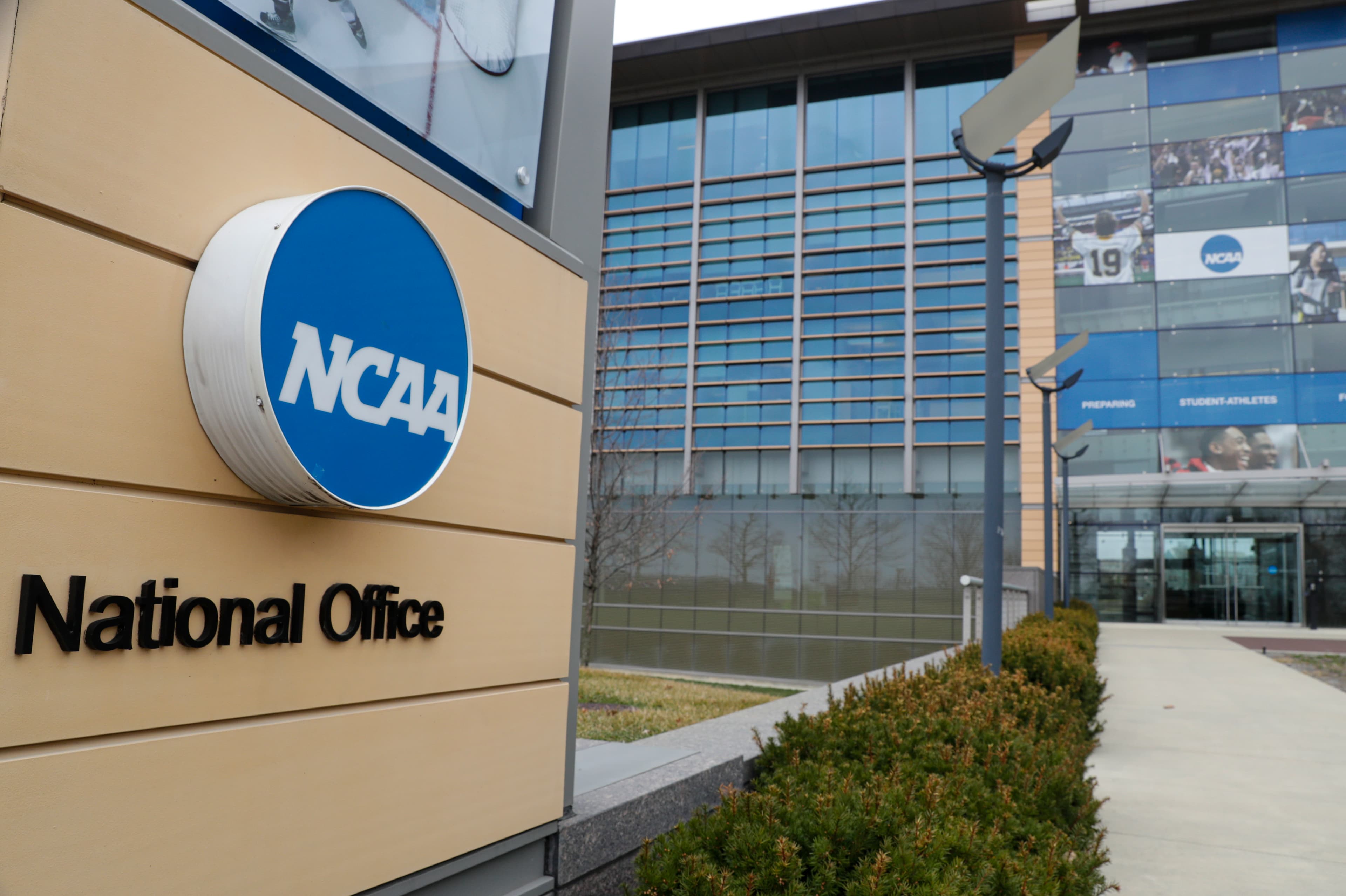
The Minnesota Star Tribune
The ever-changing landscape of Division I college sports has a new layer possibly coming soon that has immediate ramifications on high school recruits.
A 20-member Division I cabinet decided on April 27 to move forward in talks about an age-based eligibility model, also known as the “five-in-five” rule. The rule would allow athletes to compete in five seasons within a five-year period in D-I athletics after they turn 19 or graduate from high school, whichever happens first. The previous model was four years of eligibility in a five-year period, but that model was loosely enforced after “Covid year” exceptions.
Here is how the five-in-five rule could affect high school prospects in Minnesota, based on conversations with coaches, athletes and others:
Potential timing
NCAA leadership will meet on May 22 to further discuss the rule, which reportedly could include voting on the proposal. NCAA president Charlie Baker seemed optimistic on the process, telling ESPN that “their direction to the D-I cabinet is full speed ahead on figuring this out.”
The actual implementation of the new rule is proposed to start Aug. 1 entering the 2026-27 school year.
Biggest ramifications
Five-in-five would be a major rule change in college athletics, and it would also be felt far and wide across high school sports. It would change the scholarship landscape, with varying levels of impact depending on the sport.
Current college seniors will not be allowed to retroactively take advantage of the rule with an extra year. The 2026 high school graduation class will be the first athletes placed under the new standard as freshmen, which means their clock would start this fall.
The most glaring obstacle would appear to be roster management by college coaches for the 2027-28 season. They would need to maintain scholarship slots for the seniors who would’ve graduated after four years of eligibility. That likely would mean fewer D-I scholarship opportunities for high schoolers in the Class of 2027. Will current verbal offers be pulled? Would college coaches even go so far as to encourage a decommitment if there suddenly is no roster spot available? Time will tell.
Football, basketball recruiting
Scholarship opportunities at the D-I level for high schoolers are already shrinking due to the acceleration of transfer-portal recruiting. With more experienced players available in the portal, potentially with as many as four years under their belts, offers could increasingly be for only a select few.
Related Coverage
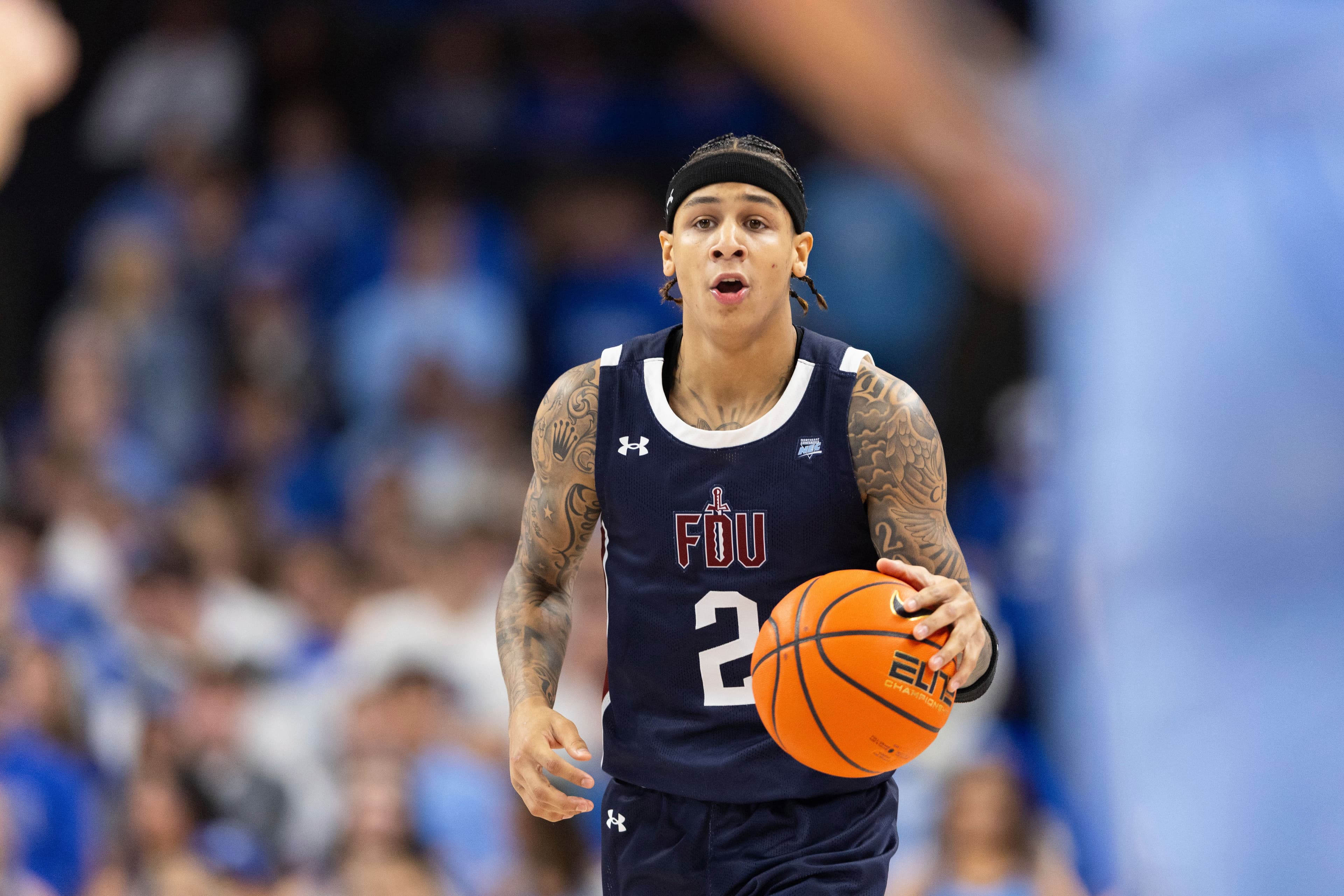

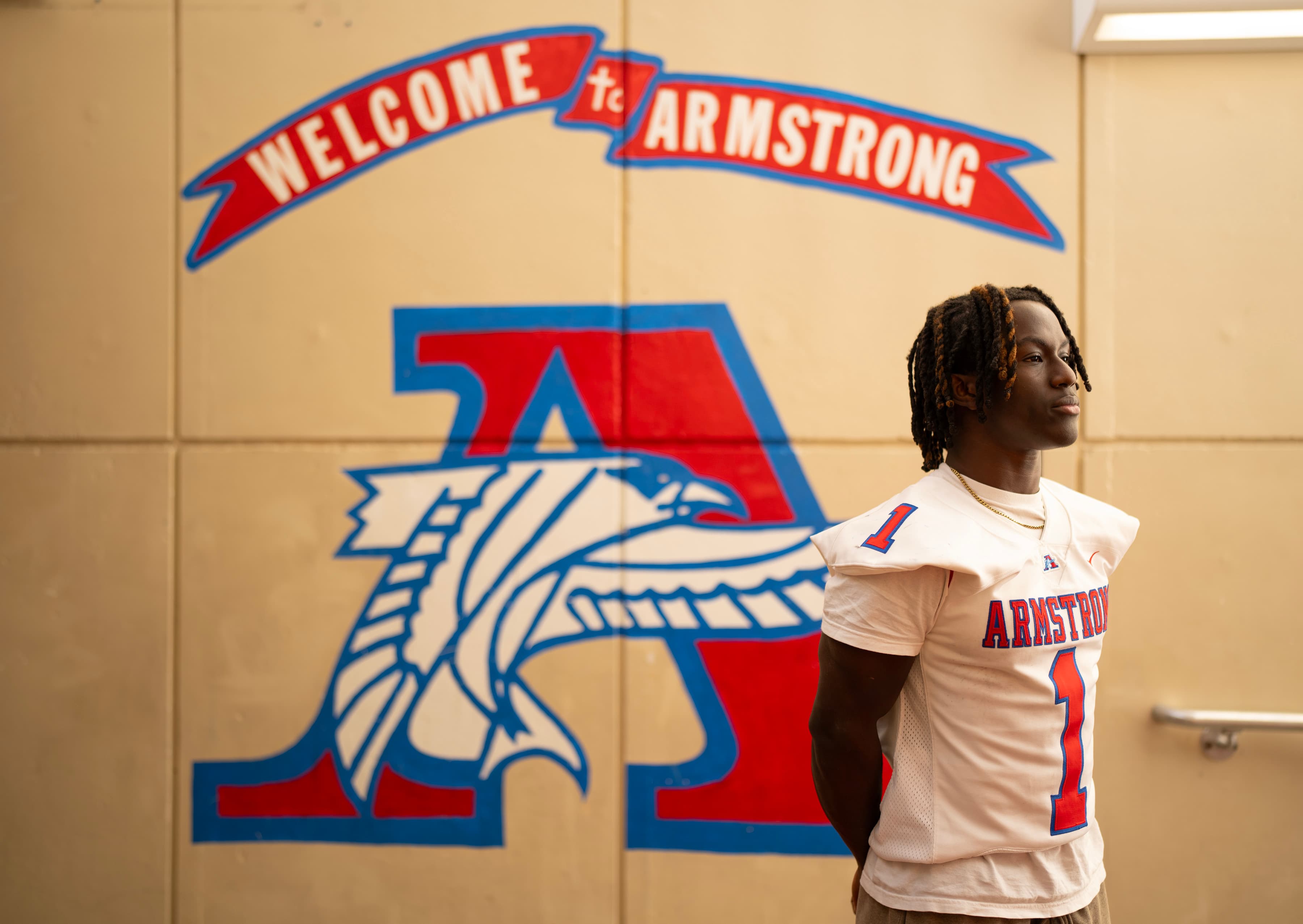

Football teams have 105 scholarships, and the five-year rule would eliminate redshirting — when an athlete sits out a full season to preserve their eligibility, but can still practice — medical or otherwise.
Men’s and women’s basketball have 15 scholarships, but D-I rosters will likely have older or more experienced players, or both. Some teams may want one or two high school players in a recruiting class, and only look for the immediate-impact recruits.
Early playing time
The absence of a true redshirt could mean high school football and basketball prospects would have more opportunities to develop their skills at lower levels (junior college, D-II, D-III, or NAIA) for a year before transferring to a D-I program.
Recruiting athletes from junior colleges was becoming less important for many D-I programs because of the transfer portal, but this five-year rule could help revive it. Junior college could be the level where athletes can play immediately and build a portfolio of game highlights, making them more attractive to D-I scouts.
The 2027 class
Prep Hoops Girls recruiting analyst Grant McGinnis has a message for high school seniors: “If you have a good offer on the table, you need to think seriously about saying ‘Yes’ right now.” McGinnis anticipates the high school recruiting landscape experiencing “chaos immediately” if the five-year rule passes.
Athletes in the state’s class of 2027 are hoping to impress college coaches this spring and summer, but those coaches might have a different perspective if five-in-five transfers become available during the 2027-28 school year.
A high school soccer player in their sophomore year, for example, is years away from joining a college team, and coaches can’t know how many spots will be available that far in advance.
Will there be more offers for the high school class of 2028 once colleges navigate the rule change? Maybe not.
Olympic sports
The transfer portal, colleges having to share millions of dollars in revenue with athletes, and athletes being allowed to profit from endorsement and sponsorship deals, have greatly impacted Olympic sports, which are increasingly being cut by colleges. It’s possible the five-year rule will make matters worse, with the NCAA’s intention being to boost football.
Hockey and track and field, including long-distance and cross-country runners, generally are older athletes in college. Many of them would be ineligible or only have a year or two left in the new era. That might technically open roster spots for more high school prospects, but not if they’re unable to play at that level. Their sports would be filled with more experienced athletes.
About the Author
Marcus Fuller
Reporter
Marcus Fuller is Strib Varsity's Insider reporter, providing high school beat coverage, features, analysis and recruiting updates. He's a former longtime Gophers and college sports writer for the Minnesota Star Tribune.
See More
Comments