Threats to Minnesota high school hockey coming with college changes?
Boys high school hockey coaches express concern over the “one sport fits all” college sports eligibility proposal.

By Olivia Hicks
The Minnesota Star Tribune
Some of the top Minnesota high school boys hockey players know they have time before playing in college. The current route allows these players to develop on a junior hockey roster in their teens before making their way to college, sometimes as late as age 21.
But that timeline could speed up with the NCAA’s new age-based college athletics eligibility proposal. The rule, if passed, would limit eligibility to five years starting at an athlete’s high school graduation or 19th birthday, whichever comes first.
The proposal, written for football, leaves hockey players in an awkward spot because of the sport’s unique pipeline to college.
Fans cheering these players could be rattled by outcomes, too. Any added motivation for players to leave their high school teams would run against Minnesota’s long history of top talent vying for tournament time.
“What people can’t lose sight of is we have a great model on the community-based model and high school-based model in Minnesota,” said Jeremy Reed, executive director of Minnesota Hockey, the state’s youth and amateur hockey governing body. “We’ll do our work here in Minnesota to continue to try to promote our players and keep them coming back here to play that high school season.”
High school coaches are anticipating three future scenarios for their top players:
1. Prospects leave high school rosters for junior hockey as early as 16 years old to be college competition-ready by 18.
2. Students change their graduation year to buy more time.
3. Follow a junior hockey route similar to today, which would cut into their college eligibility time as a 20- or 21-year-old freshman.
Under the NCAA’s proposed “five-in-five” eligibility framework, players could play four years of high school hockey, spend a year post-grad developing their game in the juniors and still have four years of college eligibility, but injuries or redshirt years would eat into those four years. Plus, a year of junior hockey isn’t always enough to be primed for college competition.
Related Coverage

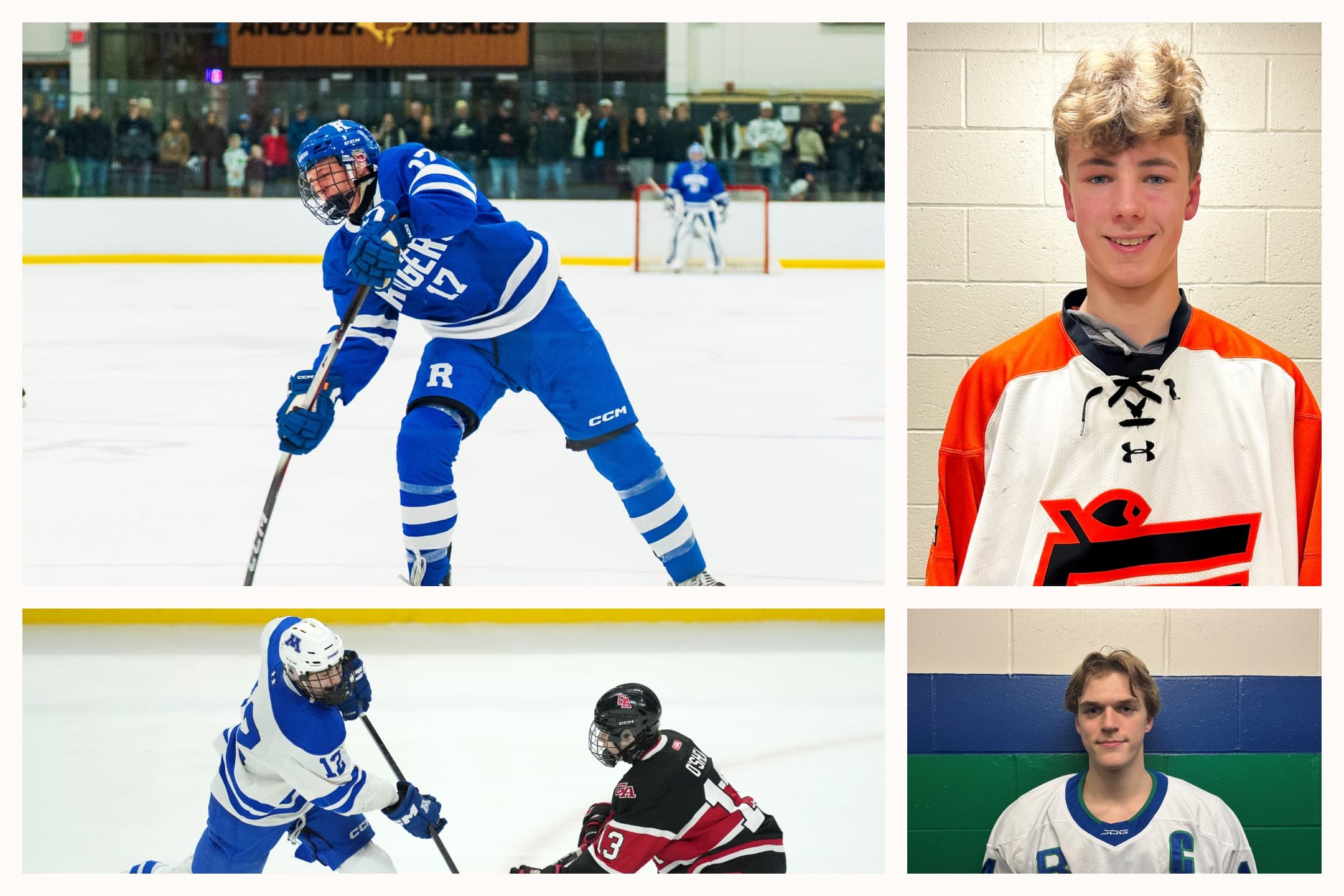

“The first year of playing junior hockey for a player is a necessity, but sometimes it’s not enough for some of those players to make an immediate impact at the college level,” Moorhead boys hockey coach Jon Ammerman said. “When you do reach school, you’re just more mature and you probably have better success. The numbers for graduation rates for college hockey players are some of the best in the NCAA.”
The rule would uniquely impact boys hockey players since junior hockey does not exist for girls, with most entering college directly after high school.
A subcommittee of the Minnesota High School Hockey Coaches Association — which includes coaches everywhere from Minnetonka to East Grand Forks — is working with the United States Hockey League (USHL) to lobby for changes to the proposed NCAA rule after all 63 Division I college hockey coaches voted against the eligibility shift.
“It is a rule written for other sports,” Ammerman said. “With our sport being a regional niche sport, my guess is the NCAA doesn’t really care, to be honest. A kid in Minnesota, his ultimate goal is to play D-I hockey, and those are going to be the people that dictate what that path looks like.”
Glenn Hefferan, the commissioner of the USHL, is hopeful that the NCAA will rewrite the proposed eligibility with junior hockey in mind.
“I think there will definitely be some changes [to the proposal], and it will shift in a direction that is favorable for the athletes and their development,” Hefferan said during the USHL draft on May 4. “[Many] D-I players play junior hockey, at least a year, some two, some three. It’s all a part of that development process, and I think at least there was an understanding of that by the attorney for the NCAA.”
Constantly changing hockey rules
The proposal comes after a tumultuous six years for hockey, with constantly changing regulations: the COVID-19 years altered eligibility, along with the NCAA allowing Canadian Hockey League pros to play college hockey. As 21-year-old Canadians flooded 2025-26 college rosters, college commitments for Minnesota boys hockey players shrank. Athletes are spending more time playing junior hockey as they wait for a college roster spot to open up.
Now, coaches question what college eligibility will look like for current high school hockey players, along with grads who are aging out of junior hockey and were previously under the impression that they had four years of D-I hockey on the horizon.
“The reality is, the portal has already been open. Guys have committed,” St. Cloud Cathedral boys coach Robbie Stocker said. “How does a college coach go back and retroactively plan? Let’s say they’ve got a kid who’s playing junior hockey that they’re interested in, but they were planning on having them play another year of junior hockey. Do they have to accelerate that? Do they need to come in now? It’s going to put a big strain on the high school kids.”
Reed, of Minnesota Hockey, questioned how the NCAA’s proposed rule change would alter the existing path for high schoolers.
“We have a great thing here in Minnesota right now where kids are going to play juniors, whether it’s the United States Hockey League, North American Hockey League, or Western Hockey League, pre- and post-season, and coming back and playing for their high school teams,“ Reed said. “There’s a lot of speculation and maybe fear that this may drive players to go that route sooner.”
The proposal aims to address concerns that college teams are leaning older. It could bring back the “true freshman” 18-year-old hockey player, something that is increasingly rare now that competition has elevated at the college level and Canadian Hockey League players are eligible for Division I.
But some worry that young players will feel rushed to move away from home earlier, be placed on elite rosters before they are ready, and that high school rosters and competition will shrink as top players leave prematurely.
“My biggest fear is that, knowing that your clock of five years starts when you graduate, it’s going to push more and more kids to feel like they need to leave high school a year early,” Stocker said.
When Stocker ponders the potential fallout of the eligibility rule change, he thinks of a player like Griffin Sturm. The St. Cloud Cathedral senior defenseman, like many players across the state, chose to return to his high school roster over playing junior hockey. His senior year included competing in the soccer and hockey state tournaments, captaining the golf team, and enjoying everything the high school experience has to offer.
Stocker has instilled a message in his players this past year: They have time.
“The idea that might get taken away by a rule that was made in response to football and basketball is hard,” Stocker said.
Ammerman, along with other high school coaches across the state, had the chance to talk with D-I hockey coaches about the proposal during Minnesota Hockey’s CCM High Performance competition on April 24-26. Several of them are left with more questions than answers.
“Consecutive classes of kids are kind of being forgotten,” Ammerman said. “We’re not privy to have much impact in those policies. We just are left to adjust.”
Comments